


Elmer Swenson: Pioneer of Northern Grape Breeding
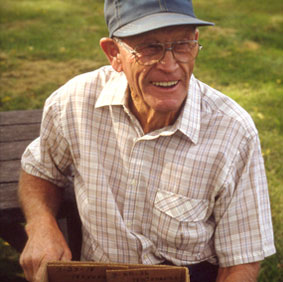
Elmer Swenson was a self-taught grape breeder and horticultural trailblazer who profoundly influenced the development of cold-hardy grapes in North America. Born in 1913 on a farm in Osceola, Wisconsin, Swenson grew up with a fascination for fruit growing in a region where winters routinely dropped well below zero—an unforgiving climate for traditional wine grapes. Over the course of his life, he would become one of the most influential figures in cold-climate viticulture, contributing dozens of grape cultivars designed to survive harsh winters while still producing wines of quality and character.
Swenson’s breeding work began in the 1940s when he started experimenting with grape crosses on his family farm. He sought to combine the winter resilience of native American species like Vitis riparia with the flavor and winemaking potential of European varieties (Vitis vinifera). Without formal training, he relied on intuition, observation, and relentless trial and error. His personal breeding program eventually produced hundreds of seedlings, which he meticulously evaluated over decades.
In the 1960s and 70s, Swenson began collaborating with the University of Minnesota, and several of his selections—such as Edelweiss, Swenson Red, and St. Croix—gained popularity among growers throughout the Upper Midwest and New England. These cultivars not only survived brutal winters but also ripened early, resisted disease, and offered a range of flavors from sweet table grapes to those suitable for dry red and white wines.
Swenson’s legacy is not just in the vines that bear his name but in the cold-climate wine movement itself. His work helped make viable viticulture possible in regions once considered too extreme for wine production. Many modern varieties, including Marquette and Frontenac, trace their lineage in part to his breeding lines.
Elmer Swenson passed away in 2004, but his impact lives on in every bottle of wine made from grapes that wouldn’t exist without his vision, persistence, and deep love of the land.